Без категории

Entering the warm season – all about SPF – part 1 “What is SPF, a popular science breakdown of the light spectrum: the impact of UVA, UVB, and HEV rays on humans”

Entering the warm season - the importance of sunscreen from a scientific perspective

How to protect yourself, your health, and your youth from the sun? Is protection needed year-round, or can you protect your skin only during hot vacations? We will address these and many other questions in a series of articles dedicated to the sun and its impact on humans. We will look at many pressing questions regarding tanning from both a scientific perspective and our user experience.

Protecting the skin with SPF / PA is an essential daily step for the health and youthfulness of the skin.

WHAT IS SPF?

SPF, or Sender Policy Framework, is an email authentication method designed to detect forging sender addresses during the delivery of the email.

It allows domain owners to specify which mail servers are permitted to send email on behalf of their domain. This helps to prevent spam and phishing attacks by ensuring that only authorized servers can send emails that appear to come from that domain.

By implementing SPF, organizations can improve their email deliverability and protect their brand reputation.

Sun Protection Factor (SPF) determines the level of protection against UV rays that a product provides when applied generously and evenly to the skin. SPF does not relate to UVA protection; UVA protection is measured on a different scale called the PA system. To obtain protection from both UVA and UVB, look for sunscreens labeled “Broad Spectrum.”

However, we would like to draw your attention to the fact that in the world of Japanese sunscreens, this labeling is indicated differently, namely: PA followed by a number of “+” – one “+” – a small amount of protection, four “+” – extremely high protection.

The science of how SPF works is fascinating, but it can also be confusing due to the numerous variables. But before we dive into that, it’s important to know a few more details about UVA and UVB rays.

UVA and UVB: what is the difference?

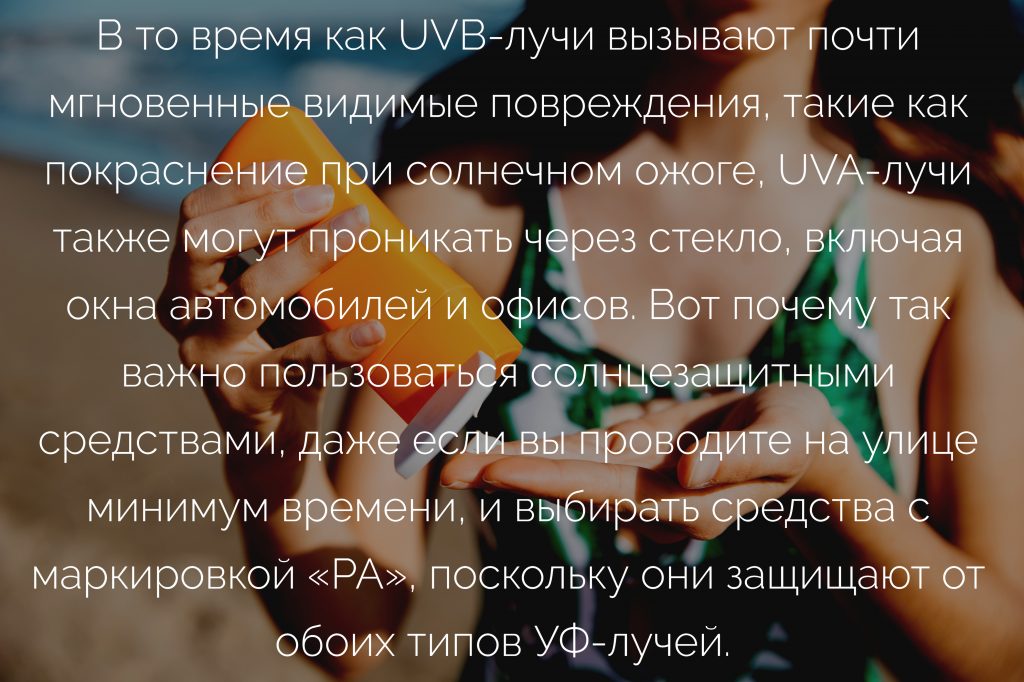
The sun emits invisible ultraviolet radiation that reaches the Earth’s surface and damages unprotected skin even on cloudy and rainy days. These rays that affect the skin are known as ultraviolet type A (UVA) and ultraviolet type B (UVB).

UVB rays affect the surface of the skin and cause sunburn, which you can see and feel, but their damage also leads to abnormal skin cell development.

UVA rays penetrate deeper into the skin, destroying everything in their path – including vital substances necessary for the skin to look youthful and healthy. Shorter wavelengths of UVA can also cause painful sunburns.

They account for a full 90% of ultraviolet rays that reach the Earth’s surface, and it is this type of rays that affects skin aging. What makes them even more dangerous is that they reflect off surfaces – this doubles the dose of radiation from them! When exposed to this type of rays, skin atrophy occurs, it loses collagen in the matrix, and the cellular turnover in the skin layers decreases.

It is important to know that UVB rays are most intense between 10:00 AM and 4:00 PM, at high altitudes, and as you get closer to the equator. UVA rays are present throughout the day with a fairly constant intensity, regardless of where you are. At any hour, if you see daylight, UVA rays are present and damaging unprotected skin! There is no such thing as a safe amount of ultraviolet exposure.

HEV (HEVIS LIGHT – High Energy Visible Light – High Energy Visible Light) surrounds us everywhere – it is part of the light that we see. It has existed as long as ultraviolet rays, but while the effects of UV rays on the skin have been discussed for a long time, the molecular and visible influence of HEV light on the skin is a relatively recent discovery.

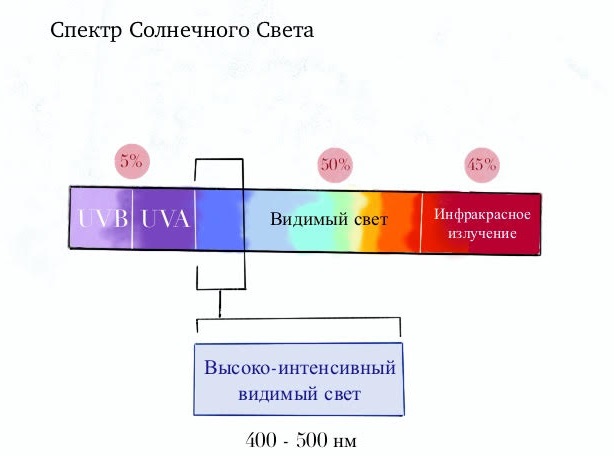
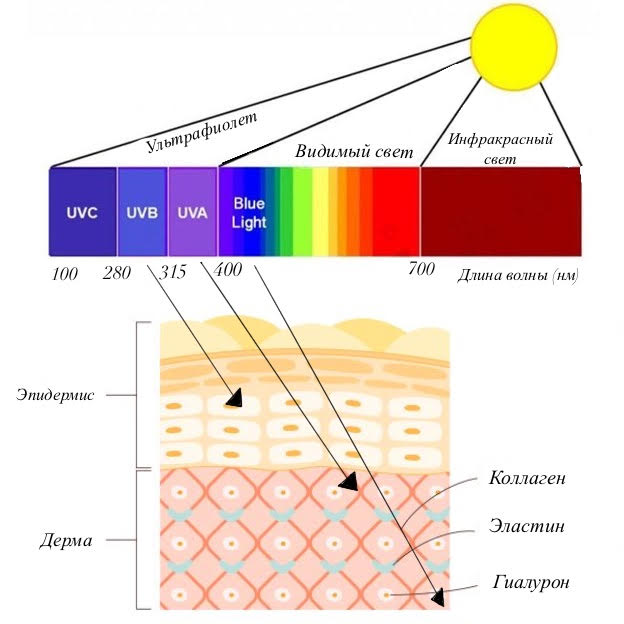
The spectrum of sunlight consists of ultraviolet, visible, and infrared light. Visible light makes up 50% of the spectrum of sunlight and, as the name suggests, it is the only part of the light that can be detected by the human eye (ultraviolet and infrared light are invisible).

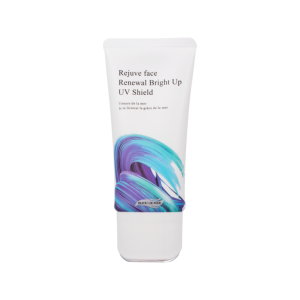
RECORESERUM BIJOU DE MER Rejuve Face Renewal Bright Up UV Shield cream with protection against sun and HEV radiation

The blue-violet range of the visible spectrum has an especially high energy level and is known as high-energy visible light.

Light is measured in wavelengths, the units of which are nanometers (nm) and millimeters (mm). Visible light has a wavelength in the range of 400 to 760 nm, while HEV light is somewhere between the marks of 400–500 nm. Ultraviolet light has a shorter wavelength (from 290 to 400 nm), although UVA has a longer wavelength than UVB.

HEV radiation (visible and blue light) reduces the barrier function of the skin, provokes inflammation, and accelerates skin aging through the destruction of dermal structures. (Below is an image: skin and various types of rays). The wavelength of HEV rays has the ability to penetrate the deepest layers of the skin, which is the reason for premature aging, disruption of pigmentation, and the appearance of hyperpigmentation.

Regardless of the exact figures, a huge amount of damage is caused by unprotected exposure to UVA and UVB light, making this a top priority. The damage from HEV light is not far behind; studies have proven that HEV light affects skin condition and can cause premature aging. HEV light, like UVA rays, penetrates the deeper layers of the skin (dermis), allowing HEV light to cause premature aging and hyperpigmentation. Unlike UVA / UVB rays, HEV is not associated with cancer.

THE INFLUENCE ON YOUR SKIN

Known also as blue light, it can be no less harmful to the skin than UVA and UVB ultraviolet rays combined.

Ultraviolet rays from the sun can cause redness and skin burns (as mentioned earlier), while HEV light does not necessarily cause immediate visible damage, but that does not make it any less harmful. On the contrary, prolonged exposure to this light can lead to quite a long list of skin problems. Here is just a small list of troubles:

dryness, sensitivity, inflammation, redness, wrinkles, sagging skin, uneven pigmentation, brown spots, uneven tone and texture of the skin.

LET'S CONSIDER TWO OF THE MOST SERIOUS PROBLEMS RELATED TO HEV RADIATION

1 premature aging

HEV radiation disrupts the skin’s natural barrier function. Instead of causing burning or redness, it acts deeper than UV rays, damaging the reserves of collagen, elastin, and hyaluronic acid in the skin.

HEV radiation generates free radicals. These free radicals cause skin cells to produce enzymes that destroy collagen and elastin, which give the skin a youthful, healthy appearance.

Aging is a natural process, but when the skin ages prematurely, it can begin to sag and form deep wrinkles ahead of time.

2 Hyperpigmentation

The HEV light can cause hyperpigmentation, as it targets the pigment that gives color to the skin, hair, and eyes (melanin), which likely plays a role in pigmentation issues that may arise from excessive exposure.

HOW TO PROTECT YOUR SKIN FROM HEV LIGHT?

In today's digital age, we are constantly exposed to high-energy visible (HEV) light emitted by screens and artificial lighting. This type of light can have harmful effects on our skin, leading to premature aging and other skin issues. Here are some effective ways to protect your skin from HEV light:

  • Use Sunscreen: Apply a broad-spectrum sunscreen with SPF 30 or higher daily, even on cloudy days.
  • Wear Protective Clothing: Consider wearing hats and clothing that block UV rays when outdoors.
  • Limit Screen Time: Take regular breaks from screens to reduce exposure to HEV light.
  • Use HEV-Blocking Products: Look for skincare products that contain antioxidants and other ingredients that help protect against HEV light.
  • Install Blue Light Filters: Use blue light filter apps or screen protectors on your devices.

By following these tips, you can help safeguard your skin from the potential damage caused by HEV light.


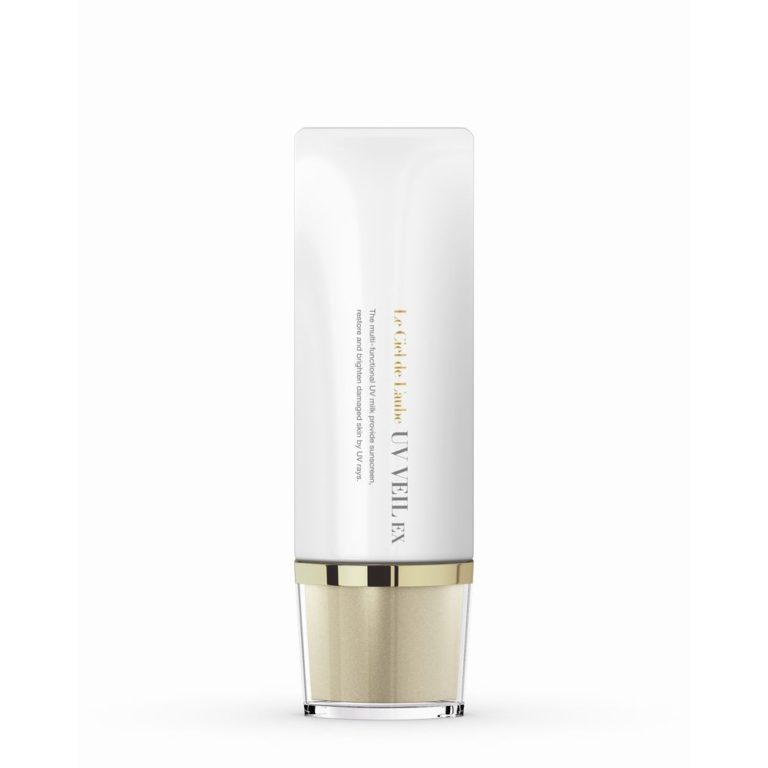
Le Ciel de L'aube UV Veil EX SPF fluid, 40 gr

KOSE Sports Beauty Sun Protect Gel SPF50+ PA++++

KANEBO Lissage Beauty Brightening Serum UV SPF40 PA++

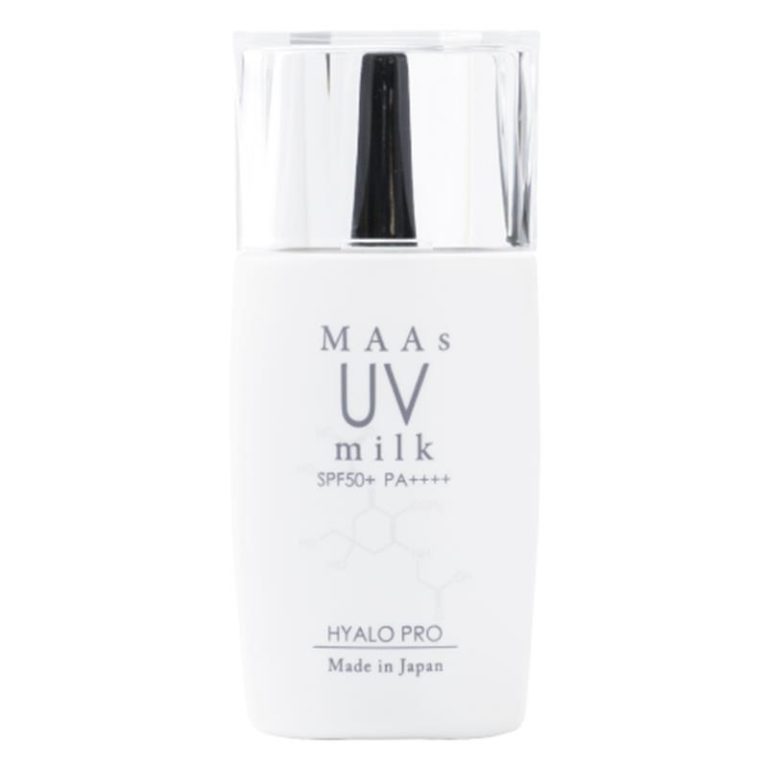
MAAs Hyalo Pro UV Milk SPF50 + /
PA ++++

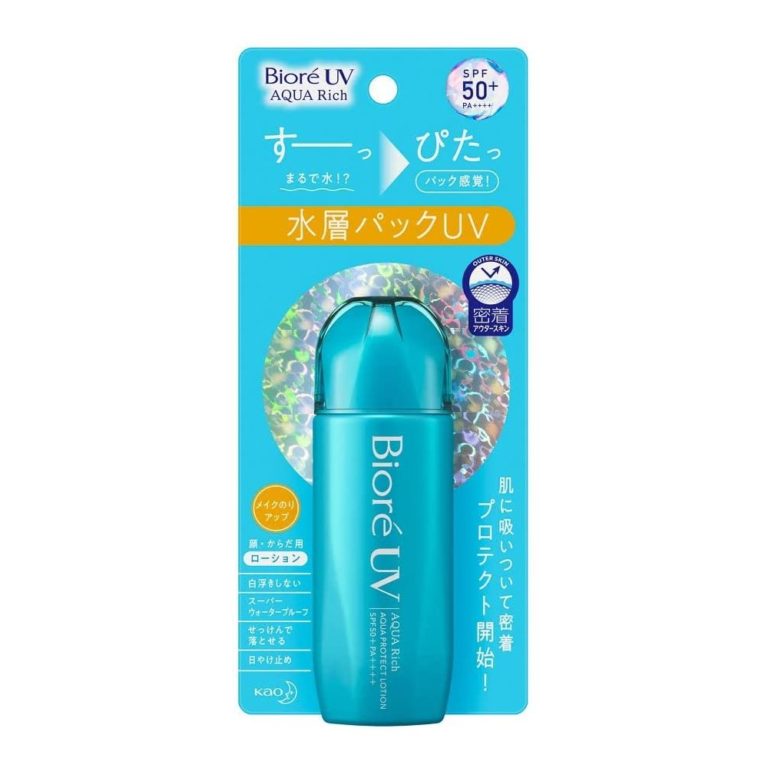
BIORE UV Aqua Rich Lotion SPF50+ / PA++++

Read in the next article: All about SPF - what the numbers mean, how to calculate the necessary protection factor for your skin, how often to reapply, and much more interesting popular science information )

To not miss all the news and updates from our store - subscribe to our Telegram channel:

Leave a Reply