TAXFREE purchases from Japan for orders over 15,000 JPY. TaxFree prices will be displayed after the registration process. Register

Description
Leda – synbiotic concentrated drinks made from 82 different fermented vegetables, fruits, and plants. The drinks are suitable for a wide range of consumers regardless of age and gender.
The key ingredient of Leda drinks is –
enzamin, which is a synbiotic low-molecular-weight complex of substances obtained through 6 months of cultivating plant raw materials using Akazawa bacteria (isolated from natto fungus). It is made using a patented method. Enzamin is characterized by excellent heat resistance and acid resistance, allowing it to reach the intestines without damage (it is not broken down by gastric juice). In the intestines, enzamin acts as a metabolic regulator (metabolism regulator*): it restores the activity of metabolic enzymes and cytokines (regulators of cellular activity).
* Metabolism – refers to the chemical reactions that sustain life in the body. Enzymes catalyze (stimulate) this process. With age and under the influence of external factors, as well as medications, the activity of enzymes in the body decreases, and the production of the enzymes themselves declines. This leads to health problems both internally (high blood pressure, diabetes, bad cholesterol, thrombosis, allergies, intestinal disorders, etc.) and externally – aesthetically (pigmentation, dry skin, various inflammations, including rosacea).
The history of Enzamin spans 50 years. In 1973, at the origins of its creation was Japanese microbiologist – Doctor of Medical Sciences Ichizo Akazawa, who improved the fungus/bacteria (related to natto). This bacterium still bears the scientist’s name – Akazawa bacteria. The fermentation method using Akazawa bacteria is patented and unique. The fermentation process intentionally occurs at a temperature unsuitable for fermentation, and by starving, the bacteria create an environment in which they can survive, producing many different beneficial products (Enzamin complex):
1. Low-molecular-weight peptides
2. Functional polysaccharides (including beta-glucan) – reduce saturated fat levels in the blood
3. Functional oligosaccharides or probiotics – the “unsung heroes” that promote “intestinal regulation” by increasing the number of bifidobacteria. Essentially, they serve as food for them.
4. Enzymes and other bacteria.
Three main characteristics of Enzamin, obtained through fermentation with Akazawa bacteria:
1. Heat-resistant – does not break down under temperature exposure.
2. Acid-resistant – does not break down by gastric juice.
3. Low molecular weight – easily absorbed, reaching the intestines.
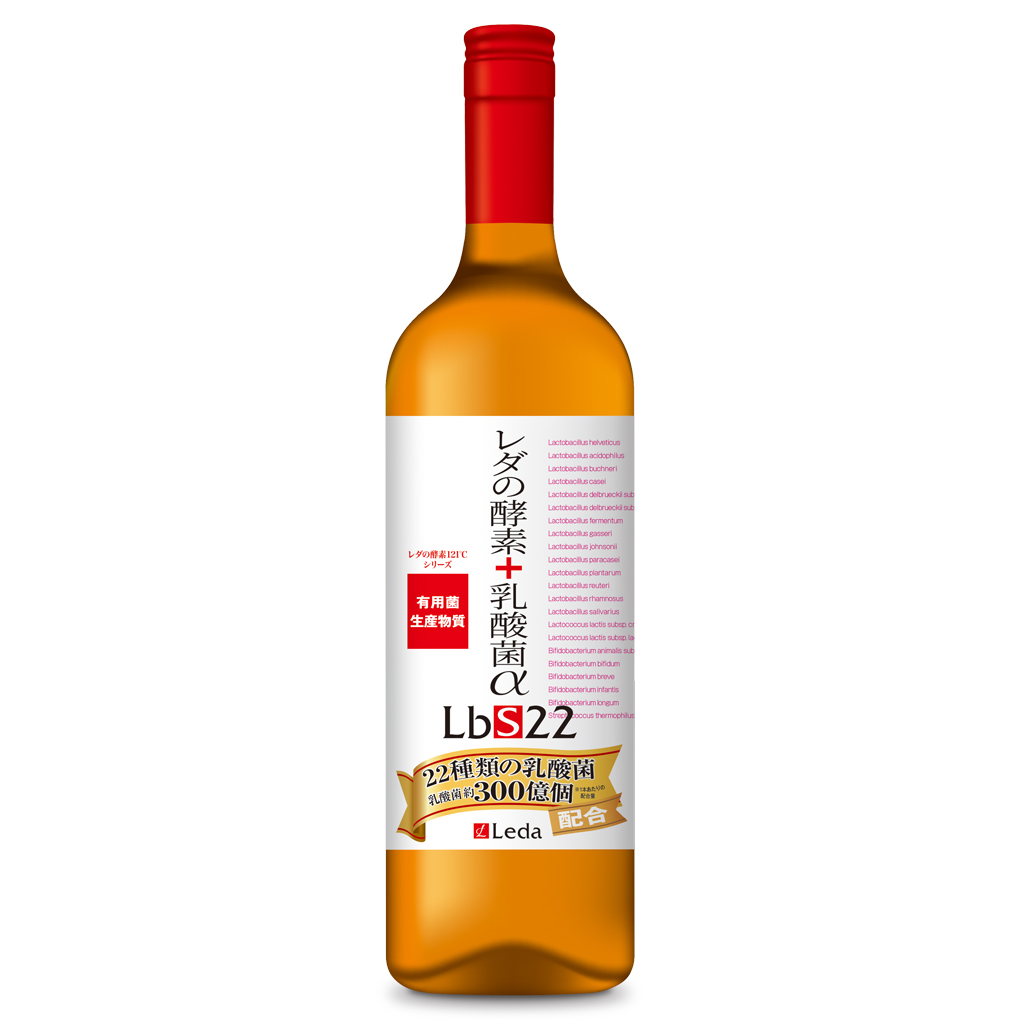
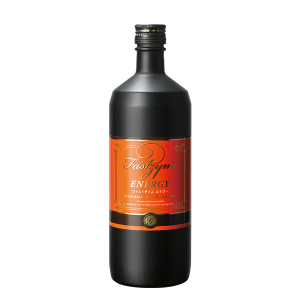
LEDA Enzyme 121℃ LBS – is an enzymatic drink with a high content of lactic acid bacteria.
One bottle (600 ml) contains about 300 million lactic acid bacteria, known for their ability to support stomach health. Among them are 22 main species: Lactobacillus Helveticus, Lactobacillus Acidophilus, Lactobacillus Buchnen, Lactobacillus Case, Lactobacillus Delbrueckii Subsp. Bulgarius, Lactobacillus Delbrueckii Subsp. Lactisl, Lactobacillus Fermentum, Lactobacillus Gasseri, Lactobacillus Johnsonfil, Lactobacillus Paracasein, Lactobacillus Plantarum, Lactobacillus Reuteri, Lactobacillus Rhamnosus, Lactobacillus Salivarius, Bifidobacterium Animalis Subsp. Lactis, Bifidobacterium Bifidum, Bifidobacterium Breve, Bifidobacterium Infantis, Bifidobacterium Lorgum, Lactococcus Lactis Subsp. Cremoris, Lactococcus Lactis Subsp. Lactis, Streptococcus Thermophilus.
Lactic and acetic acids produced by lactic acid bacteria create the necessary microflora in the body, thereby supporting the normal functioning of the intestines and regulating the balance of intestinal bacteria. Additionally, it aids in digestion, absorption, and peristalsis, making the drink indispensable and very beneficial for the intestines.
Moreover, it contains an extract of black ginger, which is considered dietary and contains polymethoxyflavone, a type of polyphenol (Polyphenols are active substances of plant origin. Polyphenols are powerful antioxidants. They help combat cell damage caused by free radicals. Thanks to this protective function, cells receive protection from oxidation and aging).
How to use: To maintain health and beauty, start with 1 cup per day (the cup is included in the set) – from 20 to 40 ml at a time, diluting the concentrate in a glass of water or simply drinking it as is on an empty stomach. You can arrange fasting days by consuming only Leda drinks. Also, according to the manufacturer’s health protocols, for more intensive support of the body, it is recommended to increase the daily dose at the initial stage to 100 ml, dividing it into 2-3 doses. In this mode, consume the drink for 2-3 days, then switch to 20 ml per day.
Energy value: 5.2 kcal per 40 ml
Proteins: 0.08g; fats: 0g; carbohydrates: 2.84 g; vitamin B2: 2.8 mg (200%), vitamin B6: 2.6 mg (200%)
Not a medicinal product.
Volume 600ml.
Made in Japan
Additional information
| Weight | 1500 g |
|---|
Reviews (0)
Show reviews in all languages (1)
You must be logged in to post a review.
Состав
Enzamine (substance that produces useful bacteria), Vegetable fiber (indigestible dextrin), Erythritol, Isomalto-oligosaccharide, Pyrus Malus (Apple) Juice, Fermented Food (brown sugar, fruit / vegetables - orange, pinapple, banana, apple, papaya, guava, carrot, kiwifruit, etc.), Houttuynia Cordata Extract (wild grass extracts: paffia, rosemary, catuaba, purple ipe, cat's claw, etc.), Grains (brown rice, kidney beans, corn, oats, barley, peas, cashew nuts, black seasame, millet, soybeans, rye, etc.), Seaweed Extract (wakame seaweed, kelp), Honey, Collagen peptide (contains gelatin), Cherry Blossom Extract Powder, Black Ginger Extract, Lactic Acid Bacteria (sterilized - contains milk components), Caramel, Fragnance Flavor, V.C., Sweetener (Stevia Extract), V.B.2, V.B.6, Leucine, Phenylalanine, Lysine, Niacinamide, Valine, L-Threonine, Isoleucine, Methionine, Calcium Pantothenate, Histidine, Arginine, Tryptophan, V.B.1, Folic Acid, V.B.12.
Related products




New




Reviews
There are no reviews yet.