TAXFREE purchases from Japan for orders over 15,000 JPY. TaxFree prices will be displayed after the registration process. Register

Ceramides – Extending Youth at the Cellular Level🥰
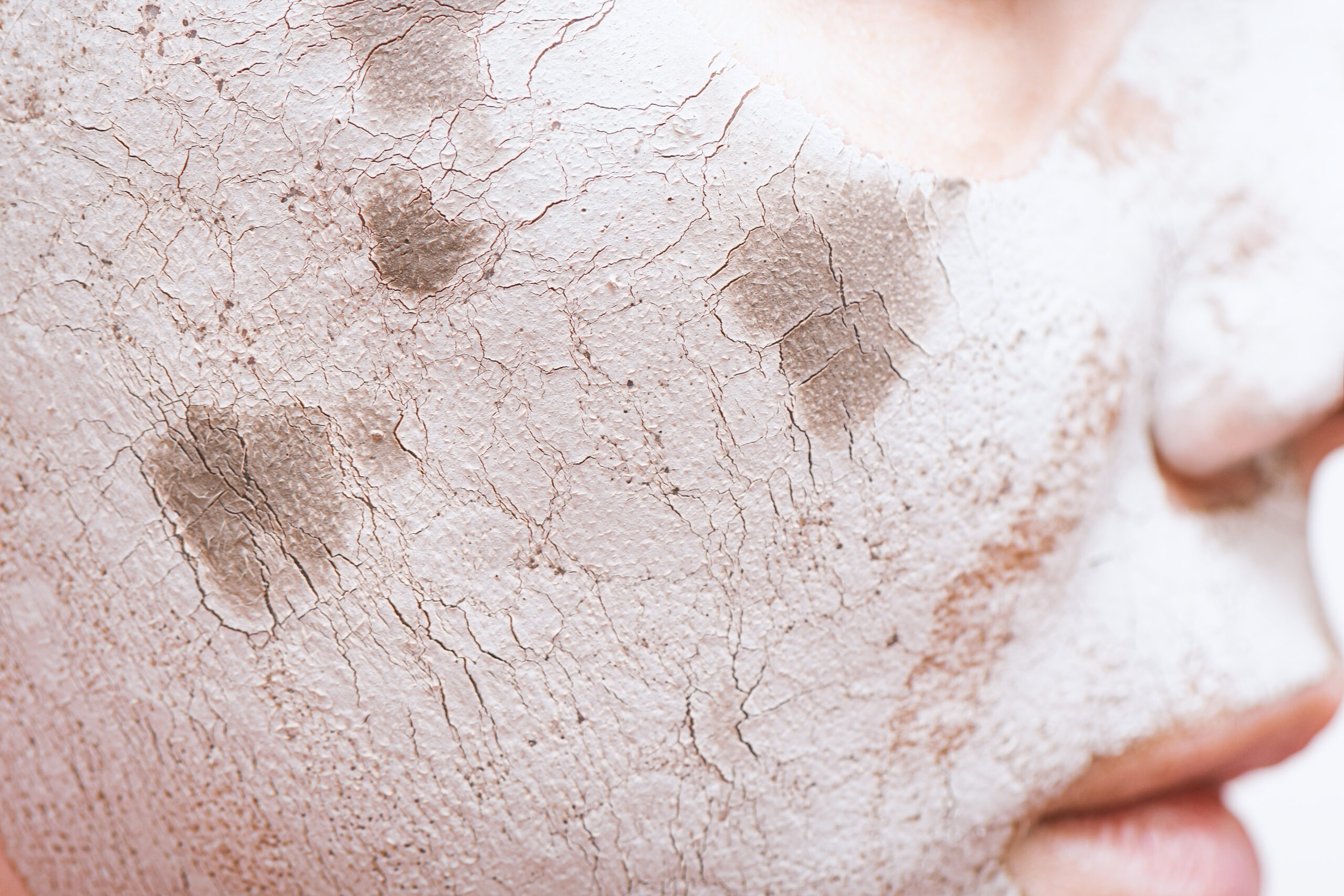
The outer layer of the skin consists of 5 parts. The topmost layer – the stratum corneum – performs the most important function – it is the function of the skin’s protective barrier. It is made up of corneocytes – dead skin cells, and they are held together by a lipid structure, which is 50% composed of ceramides.
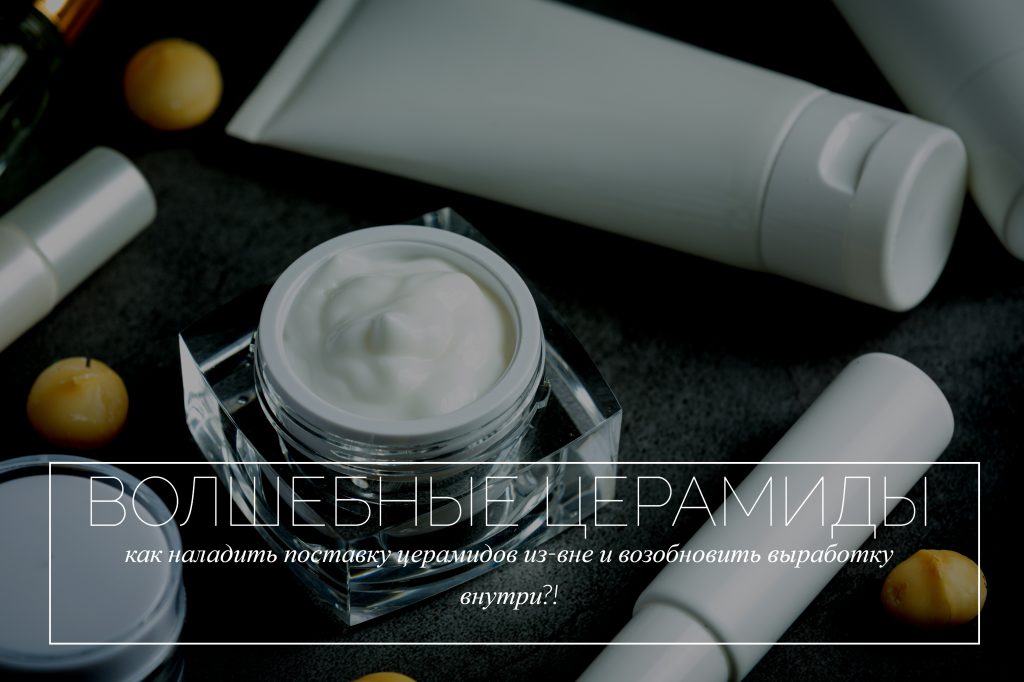
Ceramides are fats that are normally present in the stratum corneum of the skin – their main task is to protect against external negative influences (pollution from the environment – dust, dirt, cold, ultraviolet) and to retain moisture in the skin.
The stratum corneum, with a thickness of only 0.02 mm, consists of cells that are stacked on top of each other like bricks. Ceramides are the main component of the outer layer of the skin, which fill the gaps between the cells like cement. It is ceramides that prevent the formation of cracks, physically hinder the loss of moisture from within, and protect against external irritants. This is a necessary substance responsible for the natural moisturizing function of the skin.
Thanks to its special function and structure, ceramide has excellent moisturizing properties. Each ceramide molecule in the stratum corneum of the skin has a unique structure that is half compatible with water (hydrophilic group) and can interact with fat on the remaining part (hydrophobic group).
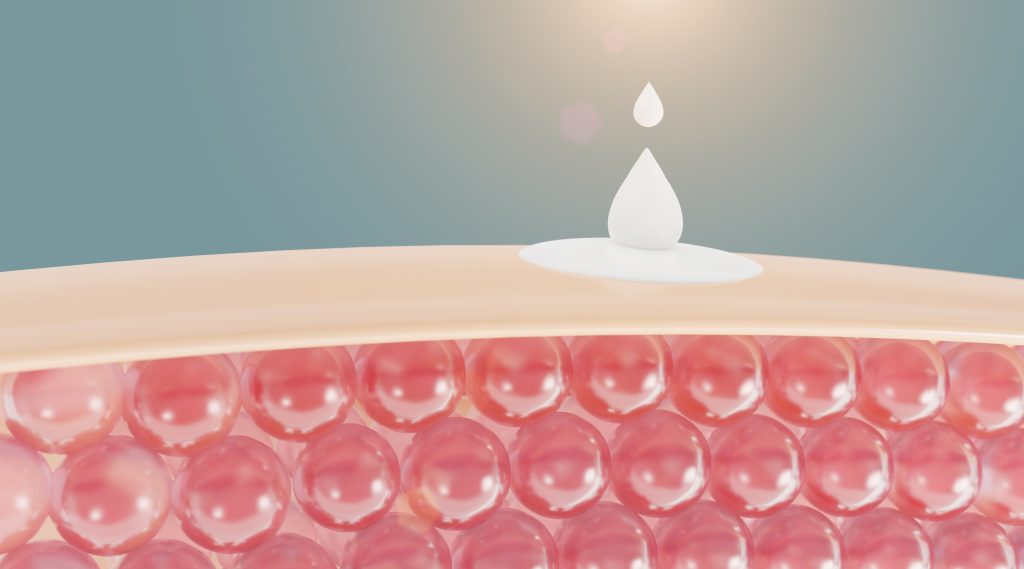
Each ceramide molecule between the cells of the stratum corneum retains water. Layers of moisture and layers of ceramides are laid down alternately, folding and creating a layered “lamellar” structure. This allows moisture to be retained in the skin and prevents it from evaporating even when the surrounding air is extremely dry or cold.
What Are Ceramides Good for the Skin?
Ceramides are lipids that help form the skin's barrier and retain moisture. They are essential for maintaining healthy skin and can provide numerous benefits, including:
- Strengthening the skin barrier
- Reducing dryness and irritation
- Improving skin texture
- Enhancing hydration
- Soothing sensitive skin
Incorporating ceramides into your skincare routine can lead to a more resilient and hydrated complexion.
– Restore the protective layer of the skin. In cases where ceramides are deficient in a person’s skin, the skin literally crumbles / breaks apart / dries out. When using cosmetics with ceramides, it “glues” back together;
– Smooth the skin and prevent moisture loss – therefore contribute to the natural retention of moisture in the skin – hydrate;
– Prevent irritation and redness when using products with active ingredients;
– Restores the skin in various dermatological conditions: dermatitis, ichthyosis, psoriasis, and moreover, with regular use of ceramide care – prevents the appearance of subsequent symptoms;
– Prevent the appearance of acne and comedones. There are studies by American dermatologists that found that a deficiency of linoleic acid, which is present in ceramides, leads to the formation of acne and comedones (link to the full study: https://www-sciencedirect-com.translate.goog/science/article/pii/S0022202X15436577?_x_tr_sl=en&_x_tr_tl=ru&_x_tr_hl=ru);
– Currently, research is being conducted on the fact that ceramides are a signaling molecule – which stimulates the process of cell regeneration. So far, this point can be considered controversial, as it has not yet been possible to break this process down into stages and track the exact relationship. (link to the study: https://pubmed.ncbi.nlm.nih.gov/12553851/).
CAN CERAMIDES PENETRATE THE SKIN WITH SURFACE APPLICATION?
Ceramides are essential lipids that help maintain the skin's barrier and retain moisture. However, the question arises: can they effectively penetrate the skin when applied topically?
Research indicates that ceramides can indeed penetrate the outer layer of the skin, but their ability to reach deeper layers depends on various factors, including the formulation of the product and the condition of the skin.
When applied in a well-formulated product, ceramides can help repair the skin barrier and improve hydration levels. This is particularly beneficial for individuals with dry or compromised skin.
In conclusion, while ceramides may not penetrate deeply into the skin, their surface application can still provide significant benefits for skin health.
Yes, they really can. Ceramides in skincare products are capable of penetrating deeper than the stratum corneum – into the granular layer of the skin, and subsequently becoming components for the creation of the skin’s own ceramides at a deep level (a complete description of the research on this topic can be read here: https://pubmed.ncbi.nlm.nih.gov/24656726/)
Ceramides are suitable for all skin types. They are essential elements of our epidermis, and it is important for us to prevent their deficiency, regardless of skin type.
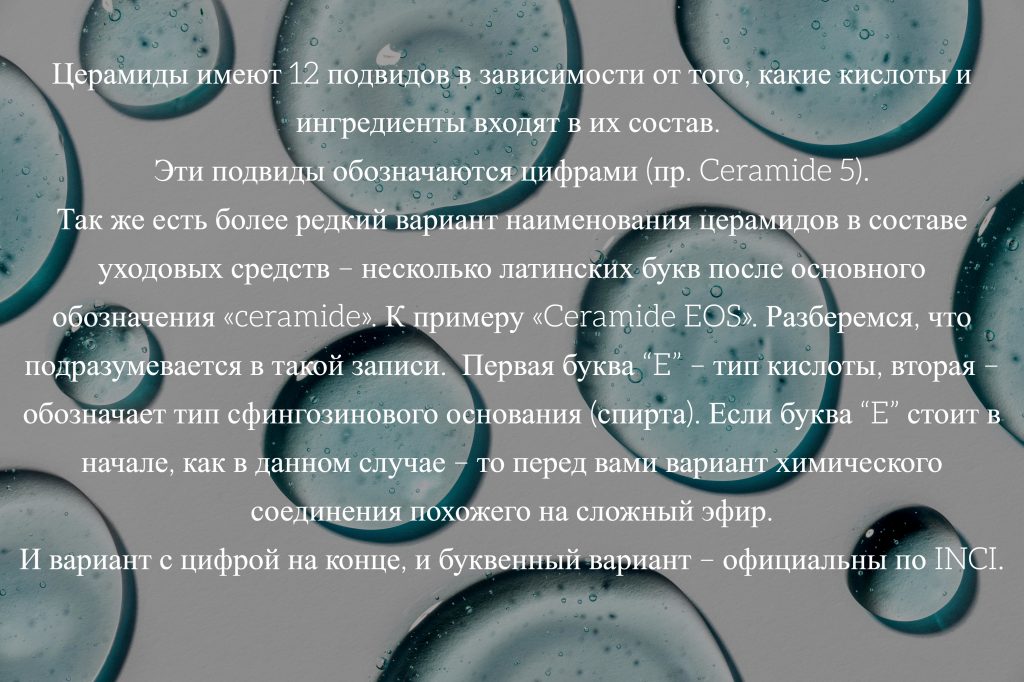
HOW CERAMIDES ARE OBTAINED THAT WE SEE IN COSMETIC FORMULATIONS?
Ceramides are lipid molecules that play a crucial role in maintaining the skin's barrier function. They are naturally found in the skin, but in cosmetic formulations, they can be derived through various methods.
One common method of obtaining ceramides is through the extraction from natural sources, such as plant oils or animal fats. These sources contain ceramides that can be isolated and purified for use in skincare products.
Another method involves synthetic production, where ceramides are created in laboratories through chemical processes. This allows for the production of specific types of ceramides that can be tailored to meet the needs of different skin types and conditions.
In addition, some brands utilize fermentation processes to produce ceramides, harnessing the power of microorganisms to create these beneficial lipids.
Overall, the methods of obtaining ceramides can vary, but the end goal remains the same: to provide effective hydration and barrier protection for the skin.
It is worth starting with the fact that ceramides can be of animal, plant, and synthetic origin.
The first type – animal – is not used in modern industry, and it’s not just about aesthetics. Such ceramides need to be thoroughly purified – and this process is very expensive and time-consuming.
Synthetic ceramides – are internally identical to natural ones. However, research results have shown that ceramides of this origin poorly integrate into the stratum corneum of the skin compared to their natural counterparts.
The last type is plant-based or semi-synthetic ceramides. They are obtained from wheat and soybeans. After that, these ceramides undergo a modification stage – mostly so that they can retain their properties throughout the shelf life of the cosmetics.
WE SUGGEST YOU TRY OUR FAVORITE PRODUCTS WITH CERAMIDES
SAYORIN Toning Moist Lotion
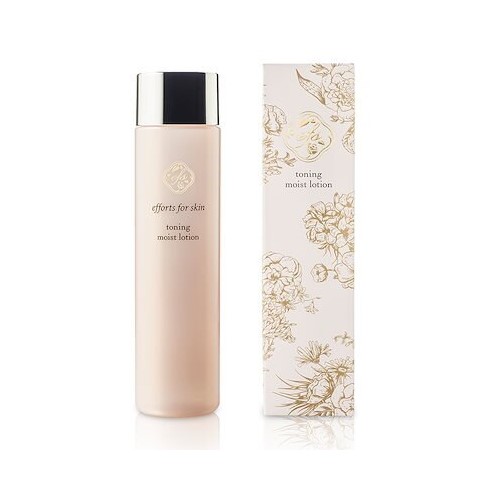
deeply moisturizing lotion with plant extracts, ceramides, peptides, squalane, and oils
NAMERAKA Skin Conditioning Essence
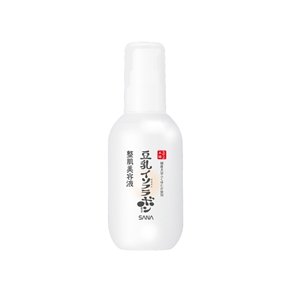
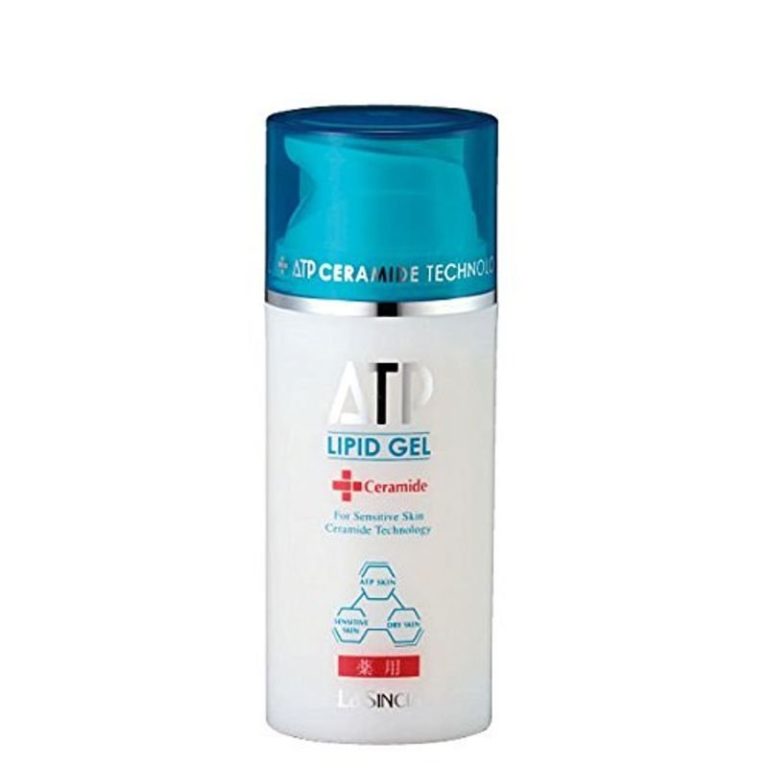
The booster essence with a lamellar texture is very similar in structure to the lipid layer of the skin
Natuore Recover Moist Repair Bio Cellulose Mask
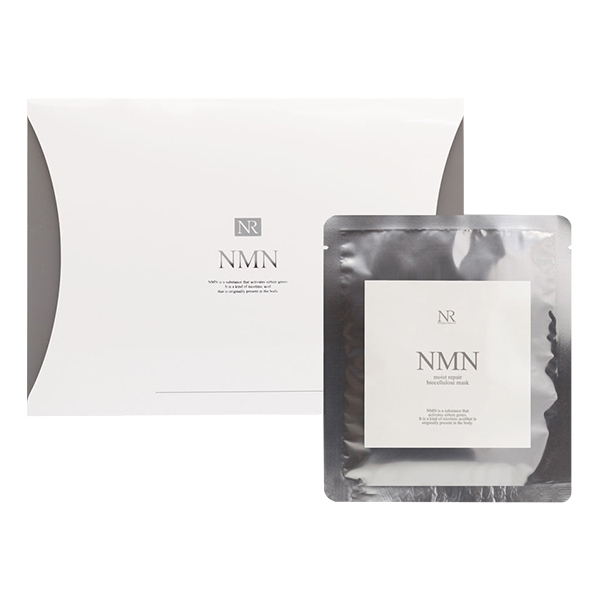
Natuore Recover NMN masks for anti-aging facial skin care made of biocellulose
THE SINCIA SE100 CE
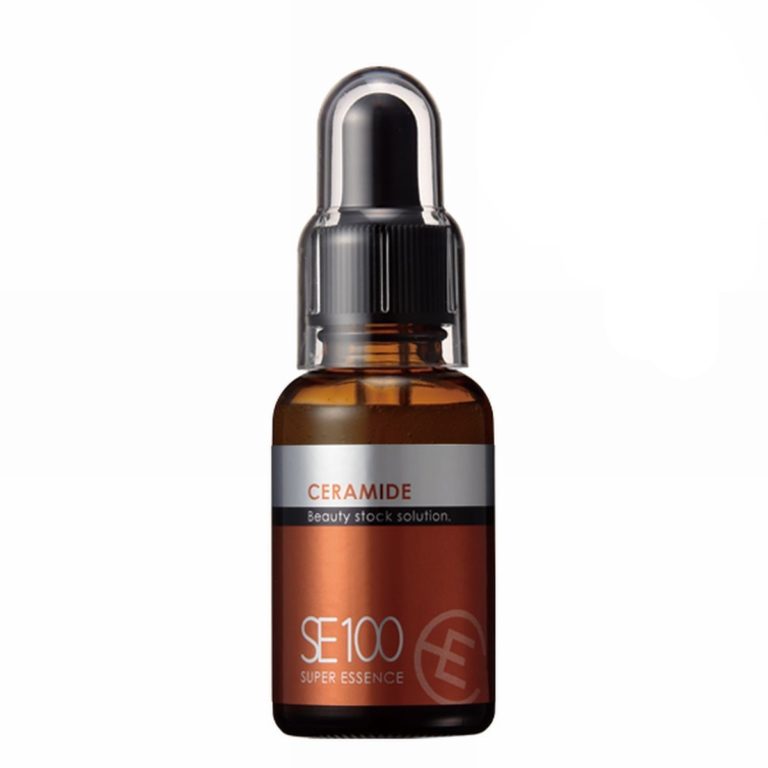
Concentrate with 4 types of ceramides. Recommended for enhancing the skin’s barrier function.
SAYORIN Whitening Wrinkle Cream
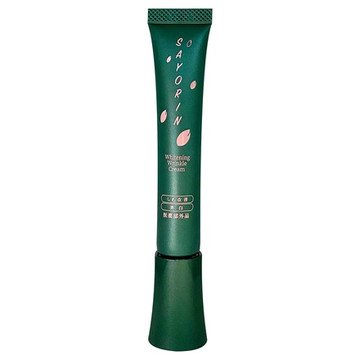
special cream with niacinamide for rejuvenating the skin around the eyes, nasolabial folds, and neck