TAXFREE purchases from Japan for orders over 15,000 JPY. TaxFree prices will be displayed after the registration process. Register

My skin wants to drink
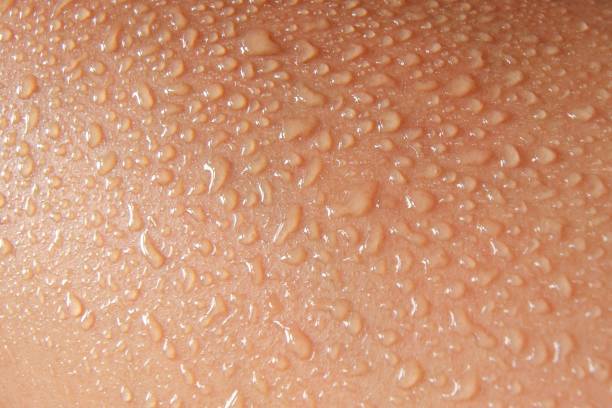
We want more clarity on this issue. What do the Japanese think about it?
The Japanese skincare system is based on quality cleansing and moisturizing. No matter what type of skin you have by nature – dry, oily, normal. This is all genetically given to us! However, dehydrated skin is an acquired condition, influenced by both external and internal factors. The basic principle states: to avoid dehydrating the skin, it needs to be cleansed very gently and then moisturized. Any skin can become dehydrated, even the oiliest.
How to tell if you have dehydrated skin?
I first realized this problem (yes, realized, because by nature I have oily and problematic skin, and only with age has it become more “combination-normal”) one winter when I felt a parchment-like sensation on my face. Especially after applying foundation. Tightness – at the slightest smile, the skin wrinkled with very fine lines. Literally, it wanted to drink; the usual skincare products were ineffective, constant localized inflammations… It happened in Japan, fortunately, my mom was more knowledgeable about this issue at that time and quickly figured out that I needed quality hydration. And despite my protests, how could this be when I constantly shine, she bought me a lotion and an emulsion suitable for my skin type. The problem was solved literally before my eyes?
Of course, struck by such a lightning-fast effect, I sifted through a ton of information from Japanese sources, and here’s what I can firmly recommend to everyone:
Washing with washcloths is very harmful, even if you have very oily skin
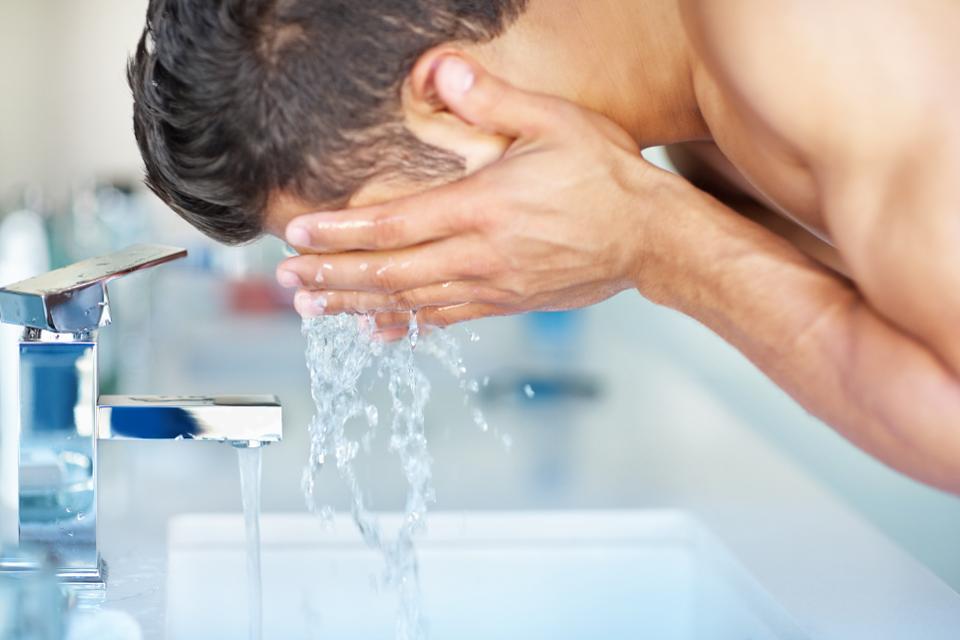
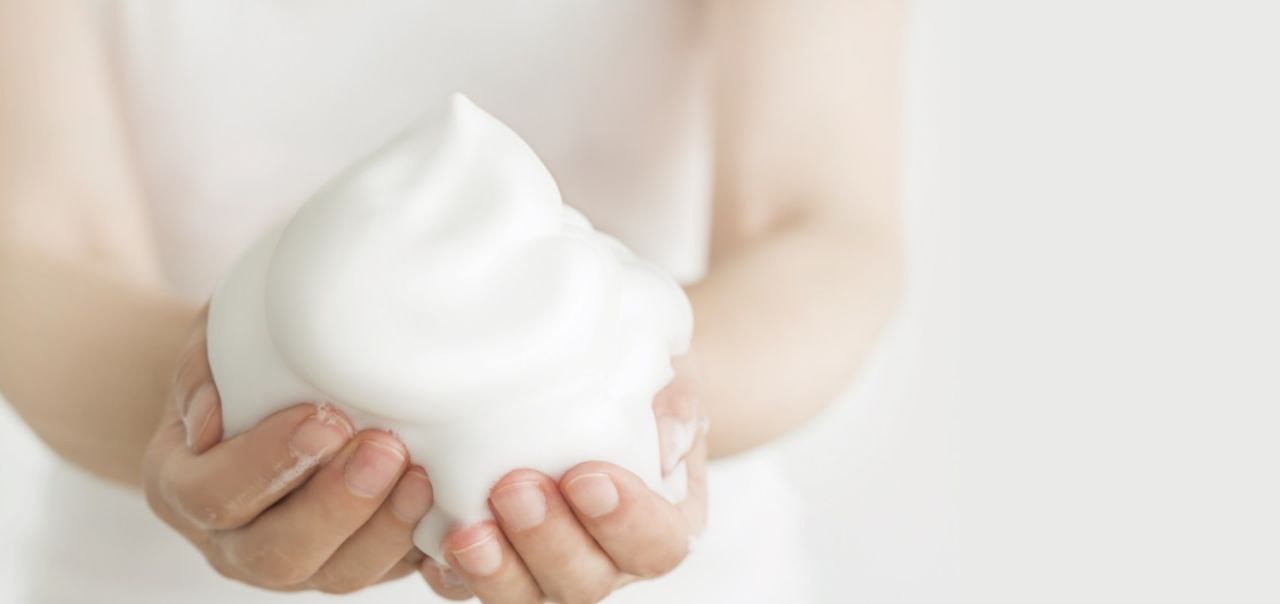
First, you need to cleanse it of impurities (foundation, dust, sebum) using cleansing oils, gels, or creams. Then wash with a gentle cleansing product, previously foaming it into a fluffy lather. The water should not be hot, ideally 32-36 degrees; it is very unhealthy to pour hot water on your face in the shower. After washing, pat your face dry with a towel, specifically patting and not rubbing. For those with naturally dry skin, it is recommended to use non-soap cleansers; there are plenty of such Japanese options;
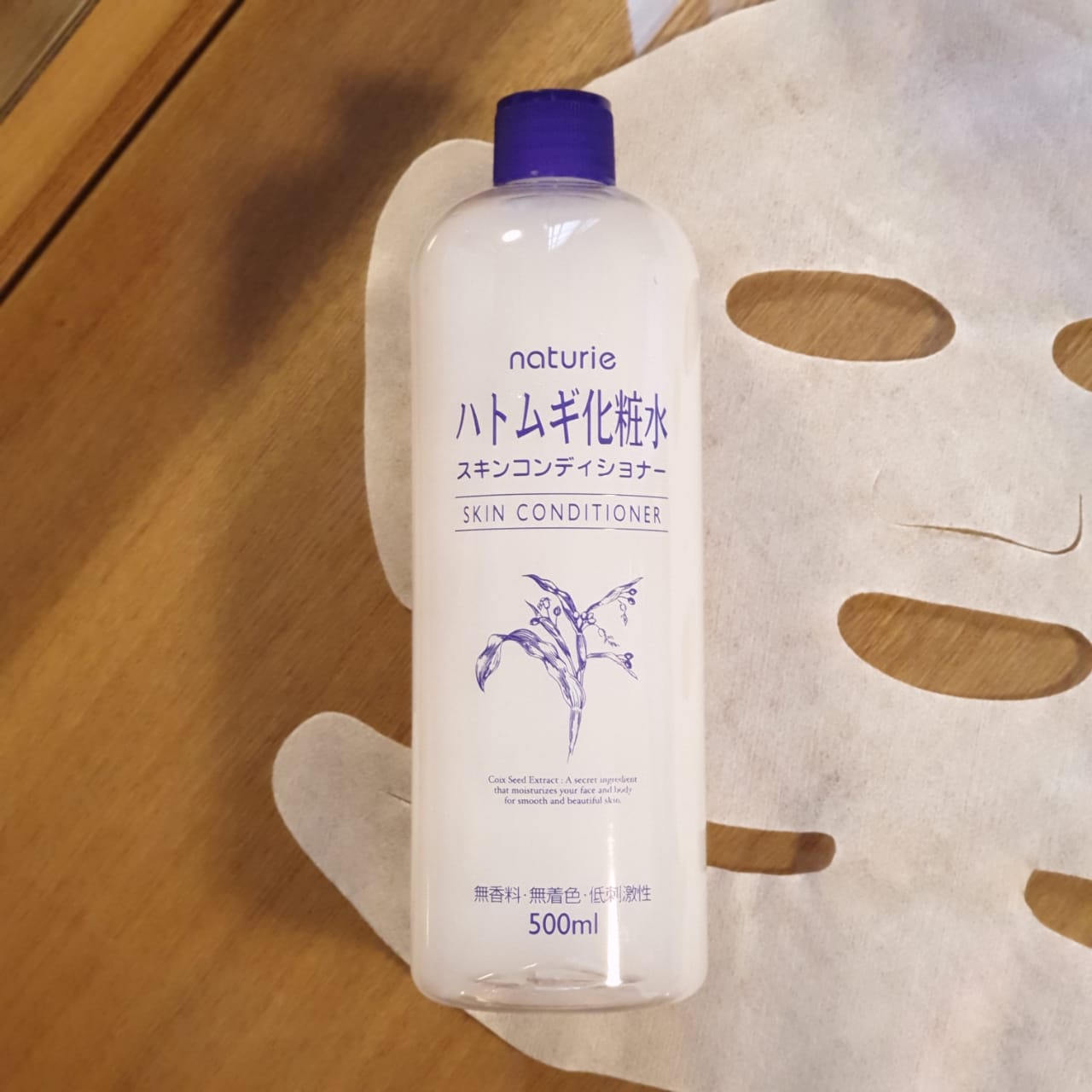
• After washing, within 90 seconds, yes, that’s right, while the skin is still damp, apply lotion – because in Japan, lotions are more than just water; they are full-fledged skincare products. It’s better to apply lotion with your hands, using pressing motions, so it absorbs better;
• To prevent moisture from evaporating from the skin, the lotion must be sealed with a fat-containing emulsion, which effectively locks in the lotion.
Both lotions and emulsions are usually produced by manufacturers in different textures for different skin types, and for success in treating dehydrated skin, it is important to choose the right products for you.
The main thing is hydration
So, according to the Japanese, the most important thing is to hydrate the skin in this way, and all subsequent manipulations for anti-aging effects, lifting, firming, and filling in wrinkles fall under the responsibility of serums and creams?
As age-related problems and the worsening situation with seasonal skin dehydration (active sun in summer, chlorinated water in pools, cold, heating, unbalanced nutrition also contribute) arose, I discovered pre-serums and boosters that prepare the skin well for subsequent care and provide basic hydration; I can’t do without them in the Russian winter. They are great for those who do not see results from their usual skincare products – you apply and apply, but there’s no effect, or when makeup doesn’t sit evenly, and you wake up in the morning with completely dried-out skin…
Dehydrated skin
Science tells us that this problem arises when the skin’s protective barrier is disrupted. Here, we need to remember a bit about the structure of the skin: the epidermis, dermis, and subcutaneous fat. The epidermis or stratum corneum is very thin, only 0.07-0.12 mm (a blister from a burn demonstrates well – the thin skin is the epidermis), and it carries this crucial function – to protect our skin from the negative effects of external factors and moisture loss. The Japanese explain very simply and clearly with pictures how the disruption of the skin barrier looks. The epidermis consists of dead skin cells arranged like shingles and glued together by the natural moisturizing factor (NMF), which consists of amino acids, ceramides, lactic acid, urea, etc. When external and internal factors begin to exert strong influence on the skin, this valuable lipid barrier is disrupted, and any irritants easily penetrate the skin. And moisture evaporates even more easily through the “gaps” in the stratum corneum.
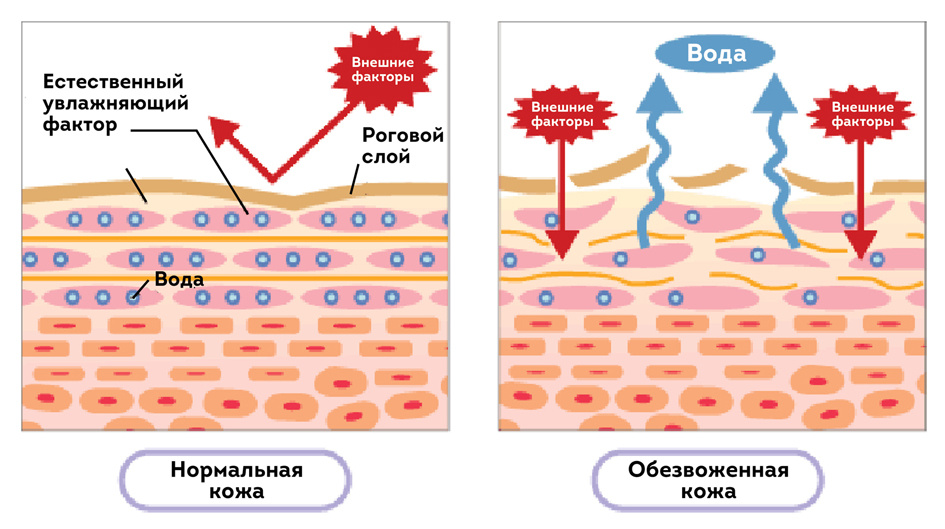
In turn, when the skin experiences stress, it may start to produce sebum actively, which clogs the pores. Hence the eternal problem of comedones and inflammations, even on dry skin. Dullness and uneven skin tone are also a consequence of dehydrated skin. An excessive amount of dead cells in the stratum corneum literally stands “on end” and creates such an unpleasant effect.
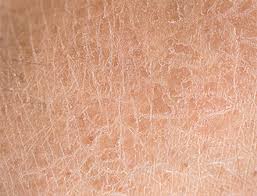
Dehydrated skin becomes common for many in winter, as the colder the air, the drier it is, and heating in apartments exacerbates the problem even more. And this is, of course, not only a problem for women and their faces but absolutely everyone on any part of the body: from children to grandmothers and grandfathers.
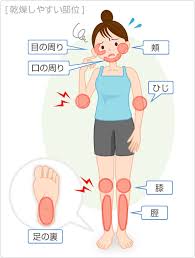
In Japan, the problem is taken very seriously
In Japan, the problem is taken very seriously. There is even a special association for the prevention of adult diseases (yes, there is such a thing, supported by the Ministry of Health of Japan). The association regularly publishes educational articles about a healthy lifestyle, taking into account the modern pace of life and the latest achievements in science and medicine. Japanese doctors pay special attention to the internal factors that lead to dehydrated skin: stress, lack of sleep, smoking, alcohol. Good and sufficient sleep is important – metabolic processes in the skin are especially active when we sleep. Growth factors are produced precisely in the rapid eye movement phase 1-2 hours after falling asleep. Probably, everyone has noticed that after a good and quality sleep, we wake up with smoother skin; a daytime nap, even for just 30 minutes, is particularly beneficial))).
Nutrition
Special attention is also paid to nutrition. Specifically, the presence of polyunsaturated fatty acids omega-3 (fatty fish) and alpha-linolenic acid (nuts, spinach) in the diet. Despite the fact that the Japanese eat a lot of fish, it is recommended to pay attention to dietary supplements with the corresponding composition. To be fair, it should be noted that linoleic acid is also used in cosmetics. It provides a good protective barrier for the skin (for example, the drainage gel and cream from SANDALPHONE. In addition to the protective barrier, they provide a good lifting effect and reduce puffiness).
Articles about dehydrated, dry, and atopic skin appear on Japanese portals at least a couple of times a year, reviewing therapeutic and cosmetic novelties on this issue. Time goes on, a ton of products are released, but for many years now, the favorites in the Japanese mass market for skin hydration have been HADA LABO hyaluronic acid lotion and Curel barrier-repairing cream. These products are suitable for absolutely everyone, regardless of gender and age, truly universal. Among other mass-market brands, I personally hold the SANA brand in high regard; we tested the line with ceramides and retinol on friends with very dry and dehydrated skin – it works excellently on fine dry wrinkles. As for professional Japanese skincare, it is constantly evolving, and today my favorites are products from Direia (the eye cream is irreplaceable), Ampleur and La Sincia.